
- Home
- Weld Overlay Cladding
Weld Overlay Cladding
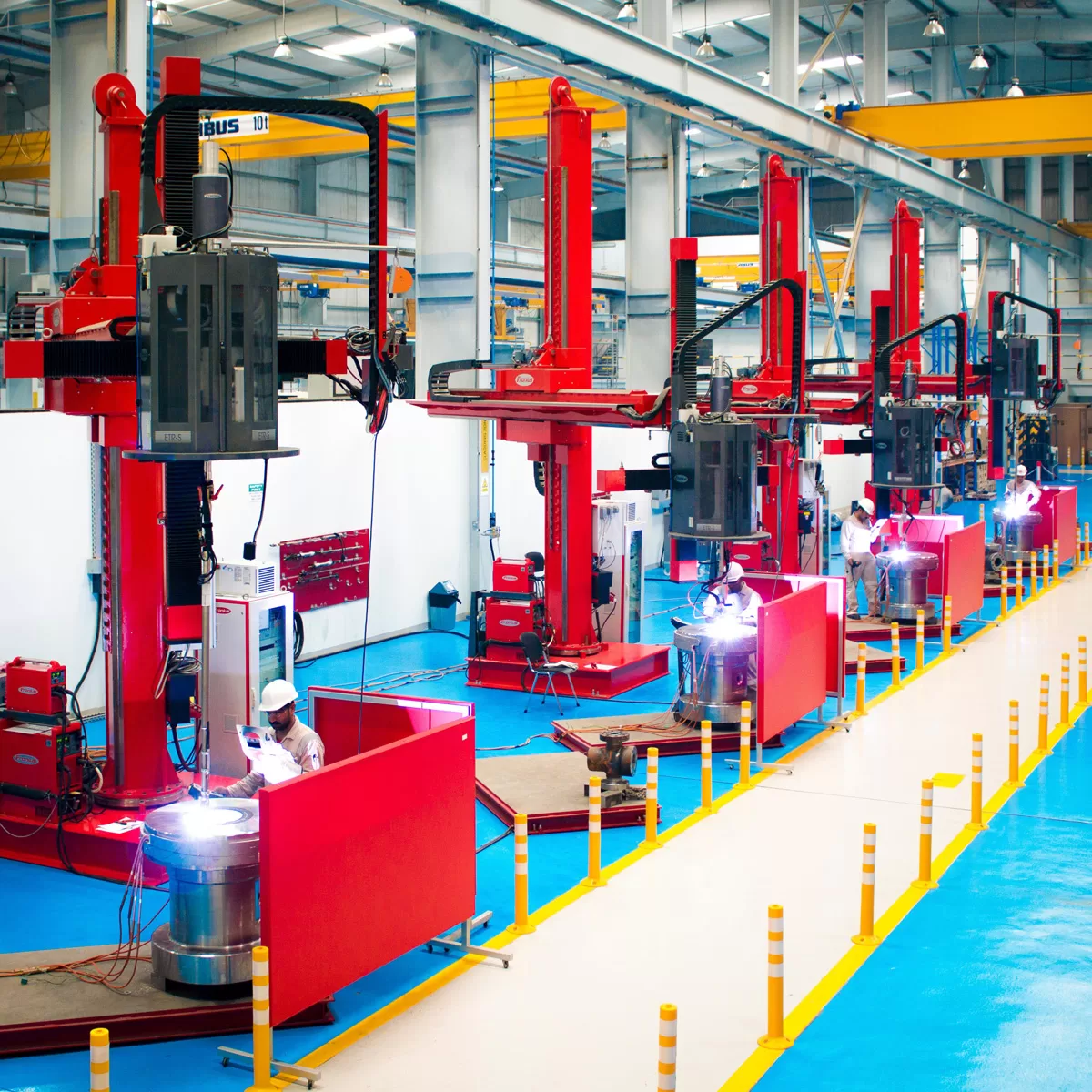
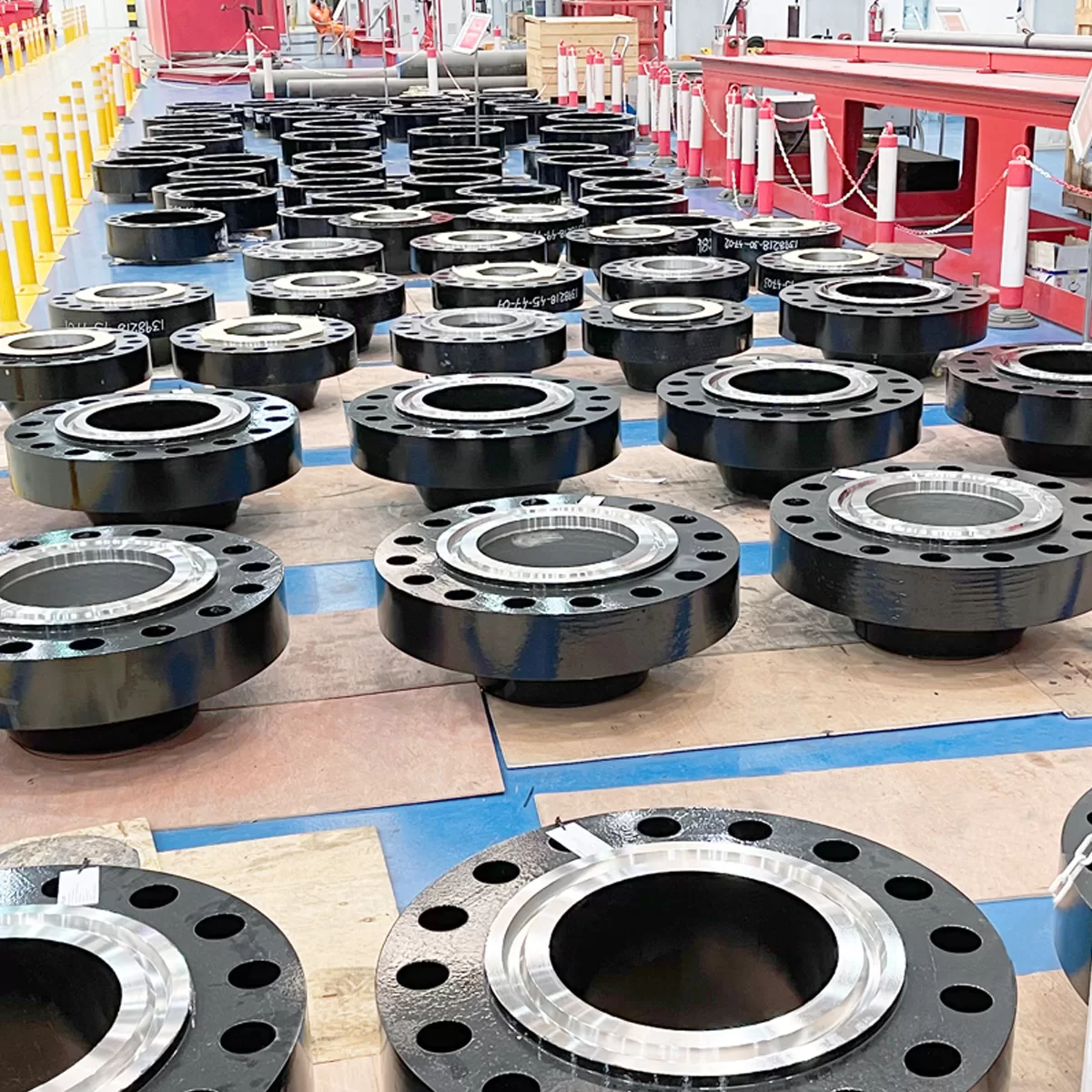
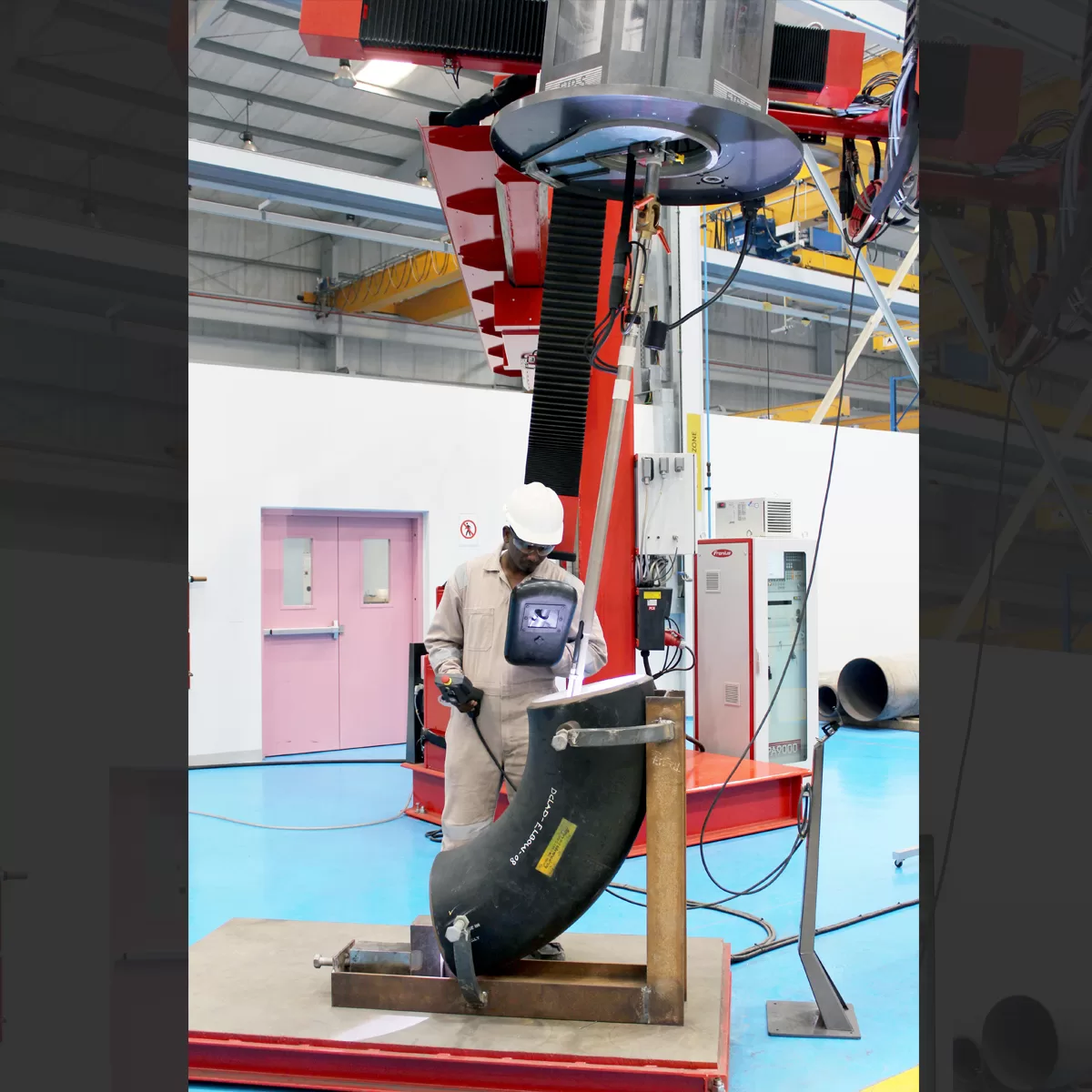
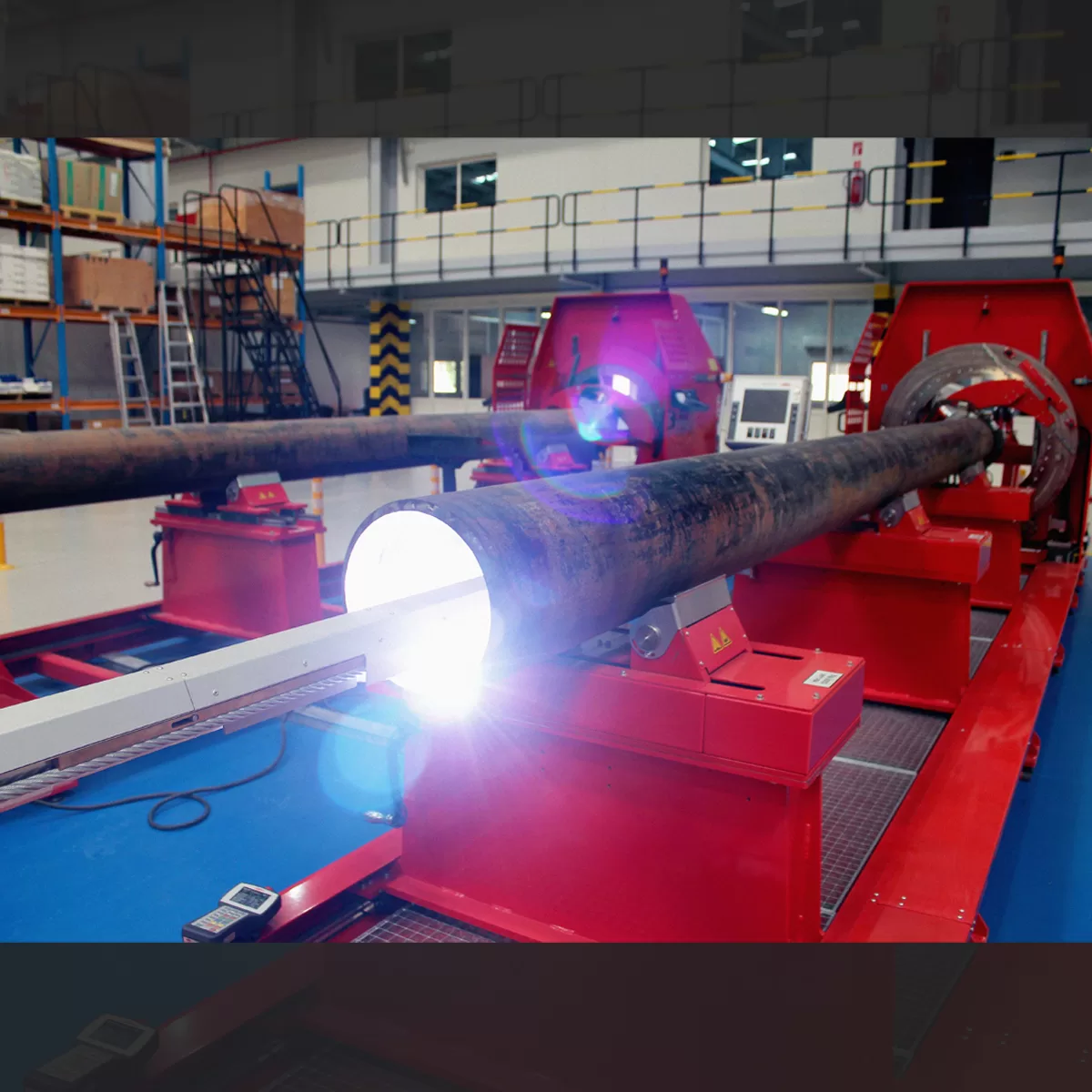
CRA Cladded Products
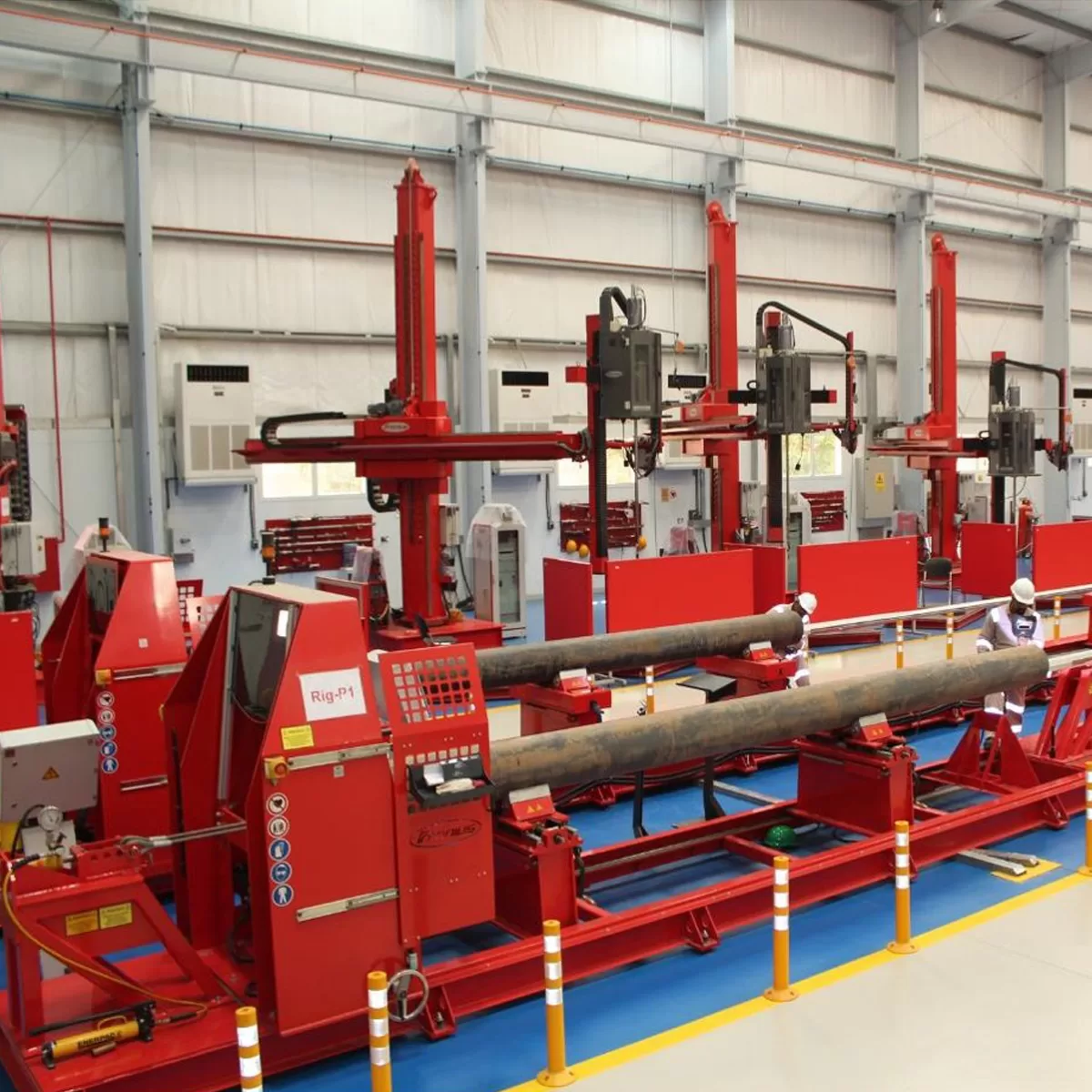
Equipped with fully automated high-tech GTAW weld overlay cladding systems, in which the welding parameters are controlled by its advanced software and operated by skilled welding technicians, DCLAD assures optimum quality and integrity of cladding material deposition, meeting the customers target chemistry requirements. The cutting-edge technology of our cladding process offers faster CRA feed rates, provides accessibility to many areas within complex geometries, and can accommodate a broad range of parts of various sizes and shapes. Below is a list of the main products we cater to our respective customers: –
- CRA Cladded Pipes – OD size range: 6” up to 36”.
- CRA Cladded Fittings – OD size range: 2” up to 58”.
- CRA Cladded Flanges - OD size range: 2” up to 58”.
- CRA Cladding of Wellhead Components.
- CRA Cladding of Valves
- CRA Cladding of Wellhead, X-mas Tree and other Associated Components
Automated GTAW Weld Overlay
DCLAD primarily utilizes automated Gas Tungsten Arc Welding (GTAW) Pulsed Hot Wire technique to carry out weld overlay cladding, which is a method widely recognized for its precision, excellent dilution control, and superior metallurgical quality. Our advanced TIG welding system rigs are integrated with multi-axis manipulators and programmable controls that deliver consistent and desirable quality. Below are some advantages inherent to GTAW:
- Minimum Fe% dilution between the clad and substrate.
- Excellent bonding quality with uniform bead geometry.
- Controlled Heat-Affected Zones (HAZ), preserving base material properties.
This makes our adopted cladding process ideal for high-integrity applications across a wide variety of critical industries.
Corrosion Resistant Alloy (CRA) Cladding Materials
Below tabulation displays the CRA materials commonly applied by DCLAD – yet not limited to – for satisfying the demand of its customers:
| Alloy | Ni (%) | Mo (%) | Cr (%) | Fe (%) | Others | Corrosion Resistance Strength |
|---|---|---|---|---|---|---|
| Inconel® 625 | ~58 | 8–10 | 20–23 | ≤5 | Nb + Ta (3–4%), C ≤ 0.10 | ★★★★★ Exceptional |
| Inconel® 825 | 38–46 | 2.5–3.5 | 19.5–23.5 | ≥22 | Cu (1.5–3%), Ti (0.6–1.2%), C ≤ 0.05 | ★★★★☆ Very high |
| SS 309 | 12–14 | – | 22–24 | Bal. | Mn (~2%), Si (~1%), C (~0.20) | ★★★☆☆ Moderate |
| SS 316 | 10–14 | 2–3 | 16–18 | Bal. | N (~0.10), Mn (~2%), Si (~1%), C ≤ 0.08 | ★★★★☆ High |
| SS 317 | 11–15 | 3–4 | 18–20 | Bal. | N (~0.10), Mn (~2%), Si (~1%), C ≤ 0.08 | ★★★★☆ Higher than 316 |
| SS 347 | 9 – 13 | – | 17 – 19 | Bal. | Mn ≤ 2, C ≤ 0.08, Nb + Ta (10x C min – 1.0% max) | ★★★★☆ Very high |
| MONEL ALLOY 400 | 63.0 min. | – | – | 2.5 max. | Cu (28.0 – 34.0), Mn (2.0 max.), C (0.3 max.), Si (0.5 max.) | ★★★★☆ Very High |
| AK-10 (ER100S-G) | 0.87-0.96 | 0.42-0.47 | 0.27-0.34 | C (0.10-0.12%), | ★☆☆☆☆ Very Low |
Substrate Materials and Grades
While weld overlay cladding provides surface protection, the base material must meet mechanical and service requirements under high pressure, temperature, and corrosive environments. At DCLAD, we have a database of welding procedures qualified with a wide range of carbon steel and low alloy steel substrates and its equivalent grades, including but not limited to:
| Grade Classification | Example Grades | Typical Applications |
|---|---|---|
P-NO. 1 (Carbon Steel) |
|
|
P-NO. 4 (Chrome Moly Seamless Pipe) | ASTM A335 GR. P11 |
|
P-NO. 11C (Low Alloy Cr-Mo Steel) |
|
|
AISI 4130 (not ASME P-GROUP listed; classified under P-No. 15E for reference) | AISI 4130 (ASTM A519, API 6A compliant forms) |
|
| ASTM A707 GR. C5 (not ASME IX P-Number; classified as group 2 forgings) | A707 GR. C5 (API 6A/6D usage) |
|
| Inconel® 625 | Nickell Alloy 625 |
|
Weld Overlay Cladding
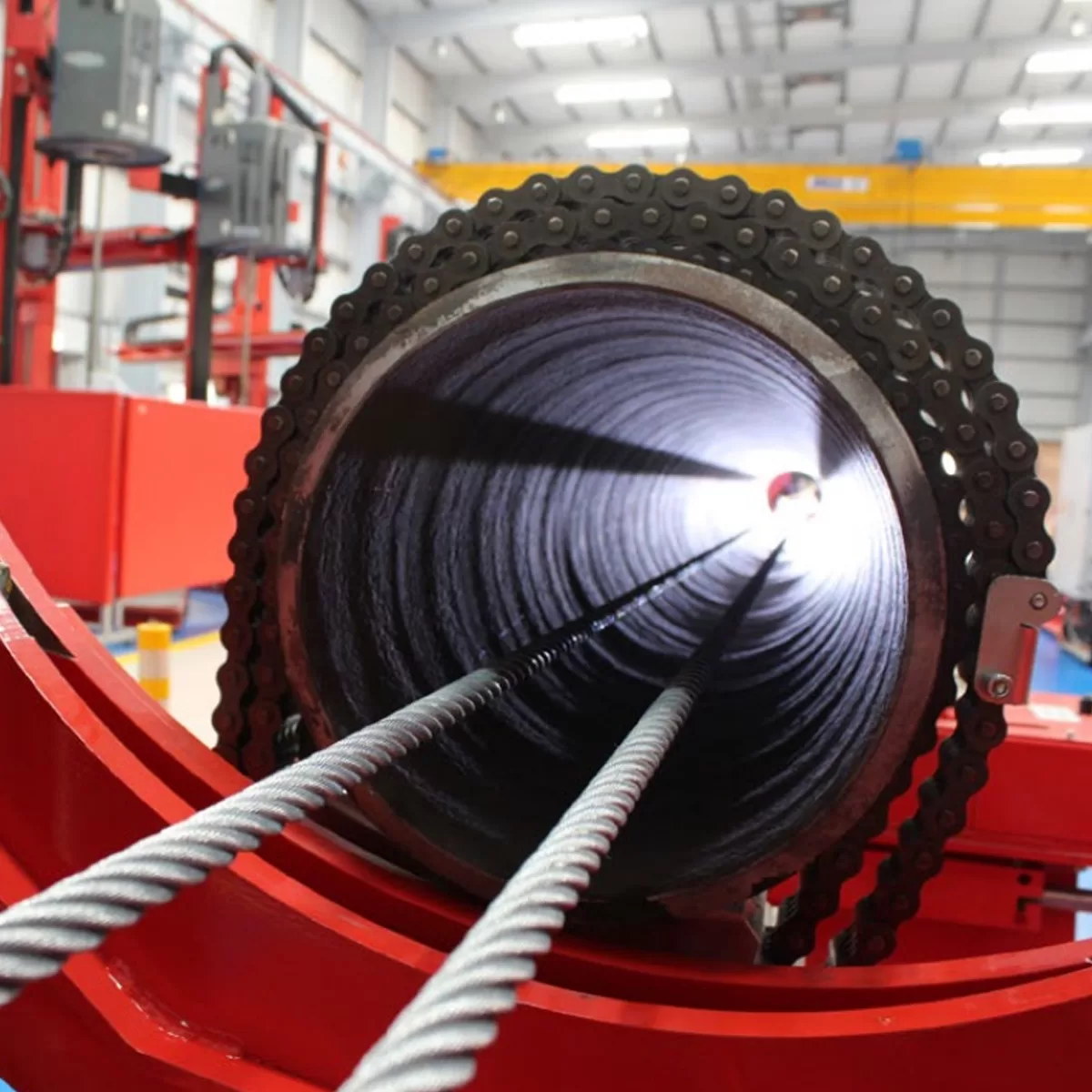
It is a unique welding technique by which layers of an alloy metal, possessing high-resistance properties against corrosion and wear, are deposited onto the surface of a base metal lacking such resistivity attributes. The strong bond established by the fusion of the alloy metal and the backing steel metal yields a finished product with retained properties of the backing steel metal, integrated with corrosion / wear resistant attributes and thus, considerably extending the life span of the product under sour service conditions.



Value Addition
a. Harmless on the Base Metal: with the proper selection of alloying material and implementation of well-controlled welding parameters, Weld Overlay Cladding is generally perceived to cause no impact on the properties of the base metal.
b. Durability: cladding using alloying metals of high-resistance features against corrosive and wear inducing service conditions, significantly extends the life span of the product up to TEN times, depending on the selected cladding material and service environment.
c. Economical: the remarkable life longevity of cladded products serves as a huge cost savior and economical long-term investment since it averts costs associated with continuous replacements of parts / products, production downtime, and maintenance cycles. Thus, minimizing the overall lifecycle costs. On the other hand, the cost of cladded products represents a fraction of the cost of solid alloys.
d. Flexibility: the mechanism of weld overlay cladding involves welding the alloying metal onto the surface of the parent metal. This metallurgical bonding results in one product of dual grade of materials, offering the flexibility to mechanically modify the product in case of any future needs to do so without any hassles or complexities.
e. Multi-Purpose: the weld overlay cladding technique is versatile as it accommodates a wide variety of base metals and geometries, making it a valuable solution for several applications other than sour service conditions. Depending on the alloy material selection, weld overlay cladding can be used to enhance protection within environments of high temperatures (for example, power generation projects), promote the strength and hardness features of the product to withstand greater levels of stress, and adjust the electrical conductivity of a component to meet the desired electrical properties.
f. Repairs / Upgrades: Instead of the radical solution of completely replacing damaged component(s), weld overlay cladding is deemed to be a rapid and economical alternative to restore worn surfaces. This avoids discarding the damaged component(s) and upgrades its condition to extend its life exceeding that of a new part.
g. Environmental Impact: the value addition of weld overlay cladding goes beyond the tangible enhancement of a product’s attributes since it incurs a positive contribution to environmental preservation. By extending the lifespan of an equipment, the need for frequent manufacturing processes is significantly reduced implicating less carbon emission that would result from:
- Heavy energy consumption of manufacturing processes.
- Fuel consumption associated with the supply chain processes (long-distance transportation).
- Steel production, known for its high carbon footprint